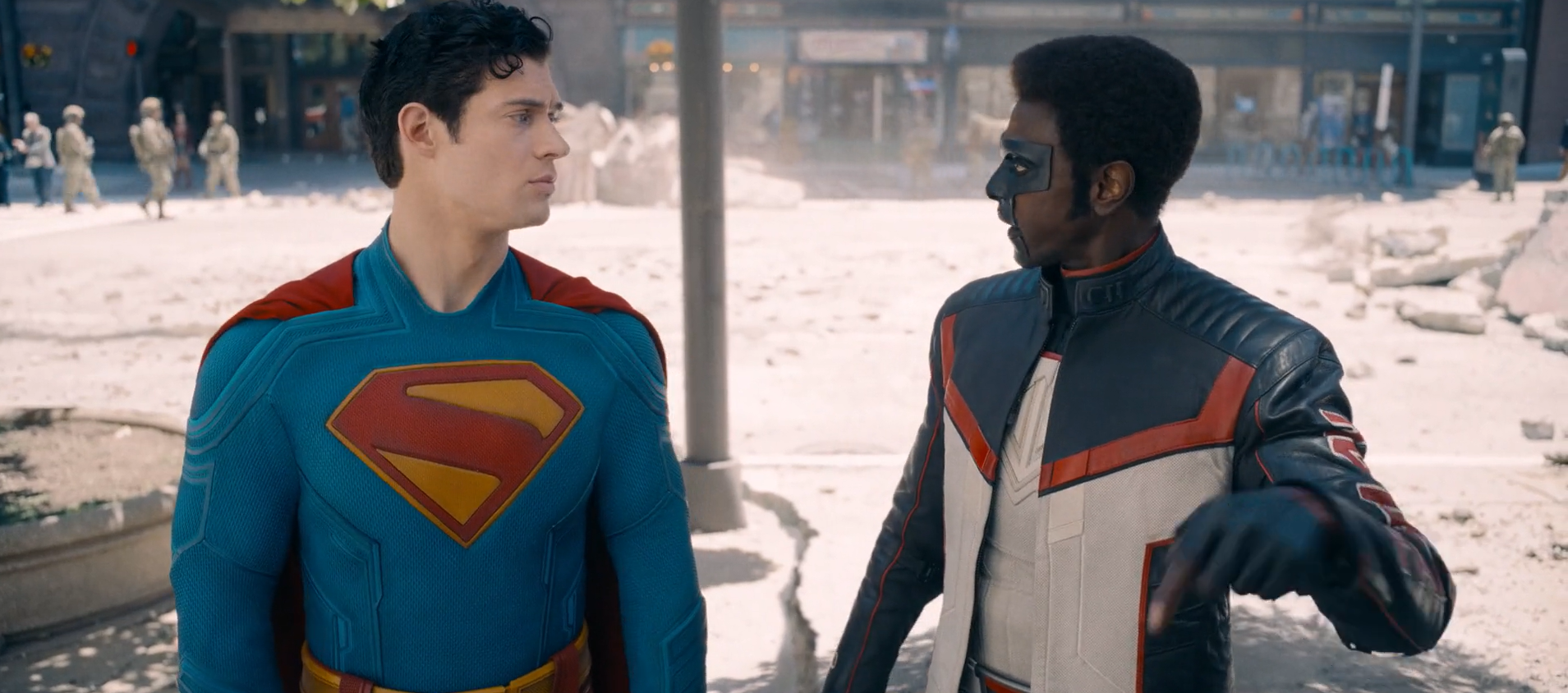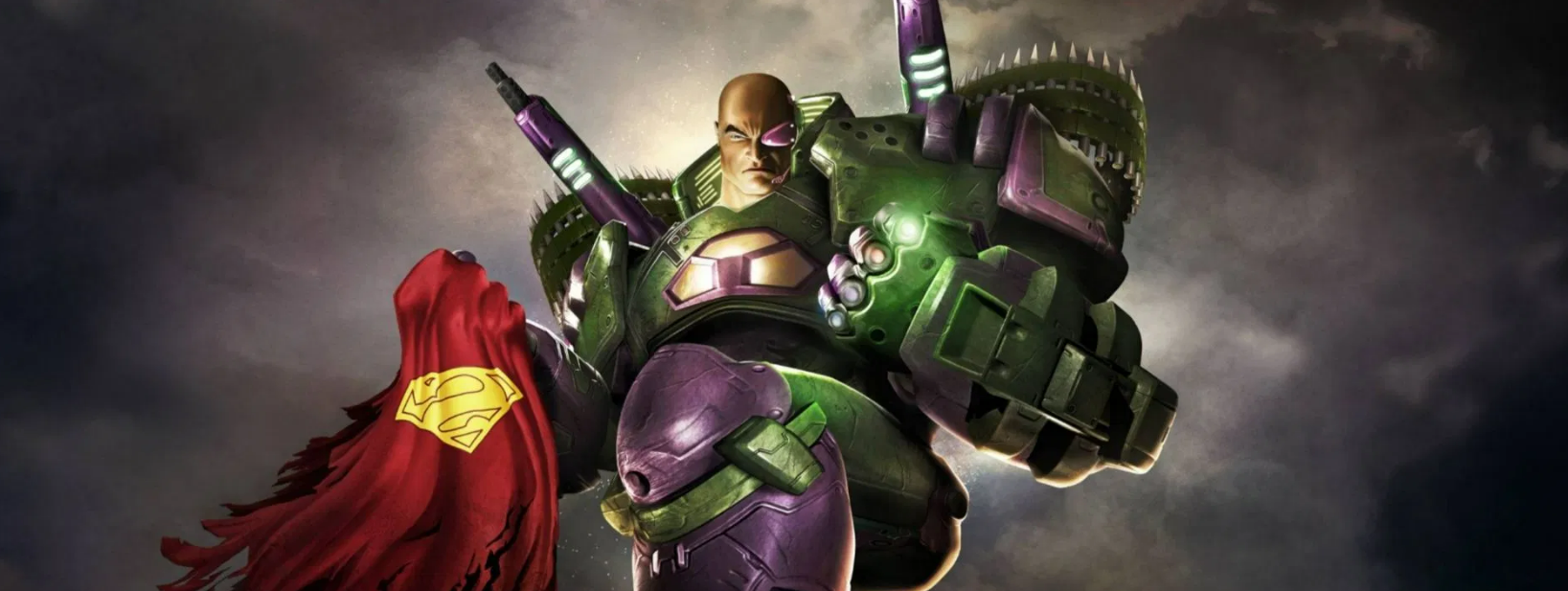
The recently released image by James Gunn, promoting the next installment in his Superman saga, Man of Tomorrow, is more than just a promotional piece; it is a profound declaration for the future of the DC cinematic universe. The artwork by Jim Lee depicts Nicholas Hoult's Lex Luthor clad in his iconic green warsuit, standing next to David Corenswet's Superman. This visual is a signal to fans that the upcoming film will feature a fundamental shift in the live-action portrayal of the legendary rivalry.
While previous cinematic versions have positioned Luthor as a purely psychological or business-oriented threat, this image promises a direct, physical confrontation, a dynamic long-established in the comic books but never before fully realized on the big screen. This report serves as a comprehensive guide to understanding the history, evolution, and deep-seated symbolism of the battlesuit, explaining precisely why its live-action debut is such a monumental moment for the DCU and its fanbase.
Part One: The Bronze Age Blueprint

The Lex Luthor battlesuit made its explosive debut in Action Comics #544, a landmark issue released in June 1983. This comic was a 45th-anniversary special for Superman, a testament to the character's enduring legacy. In this issue, DC Comics sought to revitalize its two most prominent villains, giving new, more dynamic looks to both Luthor and his frequent cohort, Brainiac. The story, titled "Luthor Unleashed!", was crafted by writer Cary Bates with art by penciler Curt Swan and artist George Pérez. The introduction of the suit was a pivotal event in the Bronze Age of comics, moving Luthor beyond his traditional role as a mad scientist who relied solely on cunning and intellect to a tangible physical threat capable of going "toe-to-toe" with the Man of Steel.
The Lexorian Legacy and Its Controversial Genesis
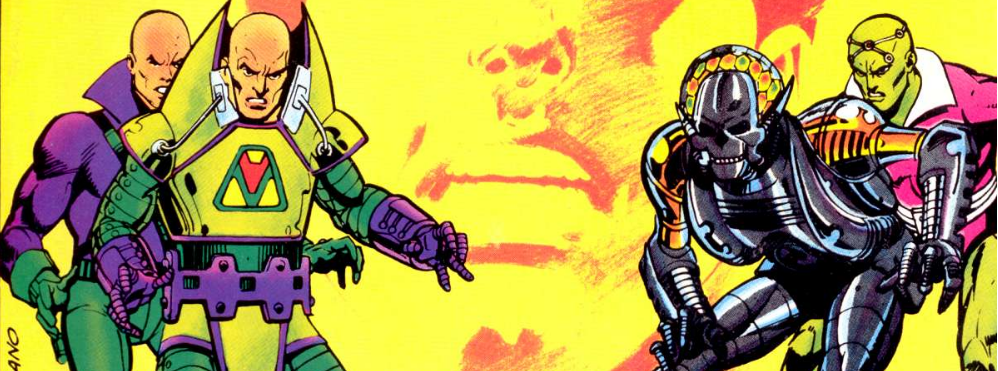
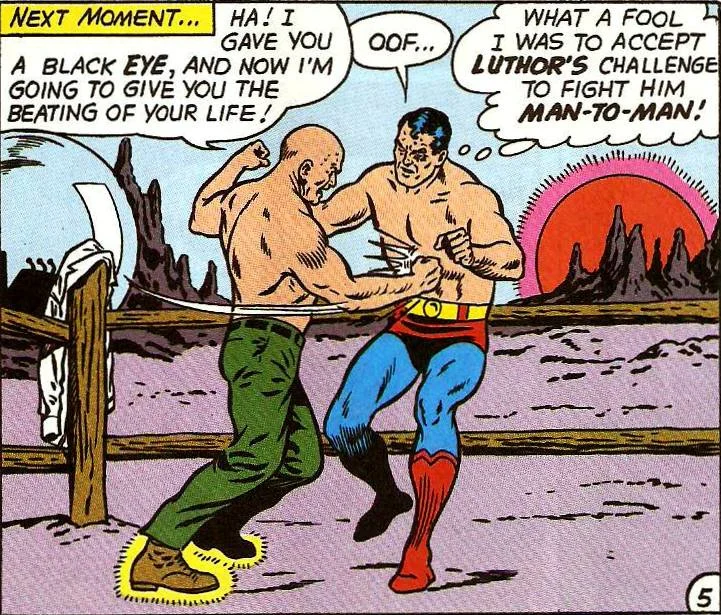
The original origin of the warsuit is deeply intertwined with one of the most tragic and bizarre storylines of the Pre-Crisis era: the tale of Planet Lexor. Luthor, at this time a fugitive from Earth, landed on a distant planet orbiting a red sun, where Kryptonians are stripped of their powers, putting him on an even playing field with Superman. By using his genius to help the planet's primitive, stone-age inhabitants, he became a revered hero and savior in their eyes. The grateful natives renamed their world "Lexor" in his honor, and he even married a local woman, Ardora, and fathered a son, Lex Jr..
His peaceful life on Lexor was short-lived, as he eventually discovered and modified an ancient, powerful battle-armor from a long-lost lab on the planet. The temptation to use the suit to finally defeat his nemesis was too strong for his ego to resist. This led to a final, brutal battle with Superman, during which a blast from the battlesuit accidentally destabilized the planet's core, causing it to be vaporized and killing Luthor's wife, son, and all of the planet's inhabitants. The emotional and psychological trauma of this event drove Luthor to a new, more intense level of madness, transforming his resentment into an all-consuming, personal hatred for Superman. This narrative choice provided a visceral, devastating motivation for his villainy.
The introduction of the battlesuit was not universally loved at the time. Many long-time fans criticized it as a betrayal of the core philosophical dynamic between Superman's physical might and Luthor's intellectual genius. There was a palpable sense that the suit's existence was primarily a commercial decision, a cynical move to make Luthor more "toyetic" for the popular DC Super Powers action figure line. The irony of this criticism, however, is that the very thing that made the suit controversial is what cemented its iconic status. The simple, bold, and visually striking design, crafted by legendary artist George Pérez, made it a perfect fit for a toy line and merchandise. This commercial success ensured the suit became the most recognizable visual representation of a physically-threatening Luthor, cementing its place in the public imagination and ensuring its survival in the character's mythology long after the original Planet Lexor storyline was retconned away.
Design for Destruction

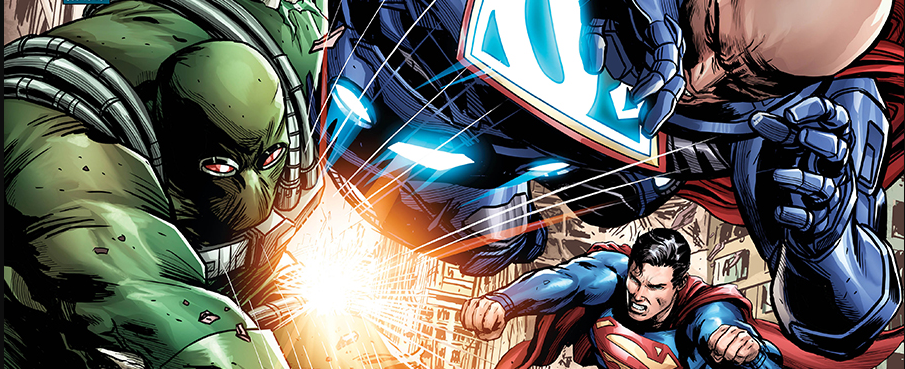
The original battlesuit was a marvel of fictional engineering. It functioned as an advanced, mechanized exoskeleton, designed to level the playing field against a Kryptonian. Its core capabilities included superhuman strength and durability, allowing Luthor to withstand blows that would instantly kill a normal human. It also granted him the power of flight through a system of rocket thrusters. To counter Superman's powers, the suit was armed with advanced weaponry, most notably energy projection systems that were often infused with Kryptonite to weaken his opponent.
Part Two: An Evolution in Armor
The Post-Crisis Resurrection
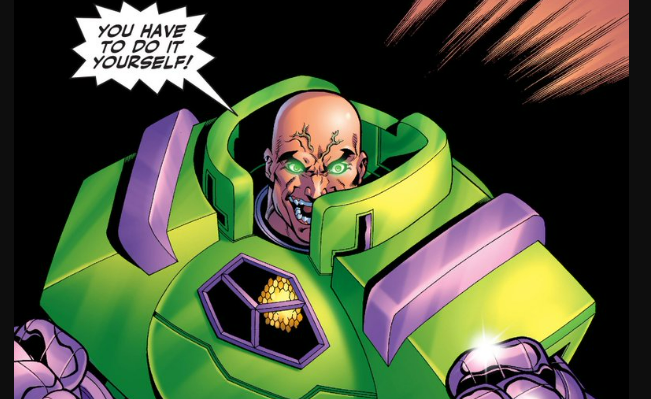
After its initial run, the Lexor storyline and the battlesuit were wiped from continuity by the cataclysmic events of Crisis on Infinite Earths and the subsequent Man of Steel reboot in the mid-1980s. For nearly two decades, the warsuit existed only as a relic of a bygone era. Its triumphant return in 2003, during the Superman/Batman: Public Enemies story arc, was a deliberate and calculated move by DC Comics.
The revival of the battlesuit was not a simple act of fan service; it served as a powerful narrative bridge. The Post-Crisis era had established a more grounded, ruthless corporate Luthor, a seemingly legitimate businessman who rarely resorted to physical violence against Superman. By reintroducing the outlandish, fantastical battlesuit, DC was explicitly celebrating its Pre-Crisis, more classic, and openly megalomaniacal history. The re-emergence of the suit effectively told longtime readers that the "new" DC universe was not completely abandoning its past but was instead integrating its most beloved elements. The suit, therefore, became a powerful symbol of DC's ongoing effort to reconcile its legacy with its modern direction, acting as a powerful narrative bridge between different comic book eras.
Technological Escalation
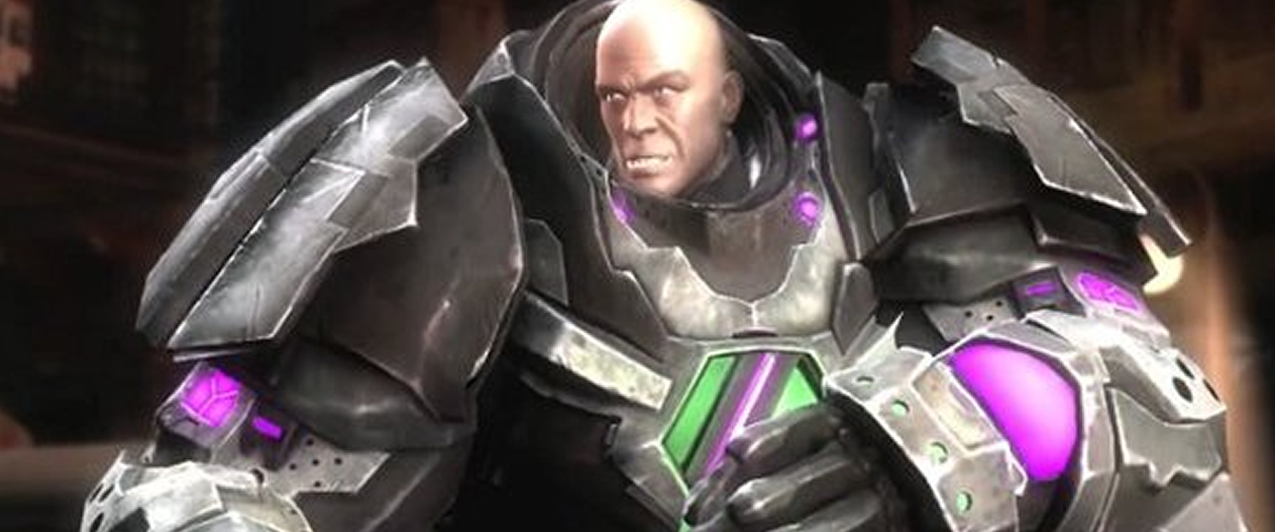
The Post-Crisis battlesuit was given a new origin, a fresh creation by President Luthor himself. This new version was not found technology from another planet but a bespoke weapon, powered by a volatile mix of Apokolips' technology, Kryptonite, and Bane's Venom serum. This technological escalation set the stage for subsequent versions of the suit, which have included an array of increasingly sophisticated and dangerous capabilities. Many modern incarnations include a protective force field, short-distance teleportation for tactical escapes, and a wide variety of weaponry. This progression from a single "battlesuit" to a "multiversal arsenal" reflects the growing complexity of the DC Universe.
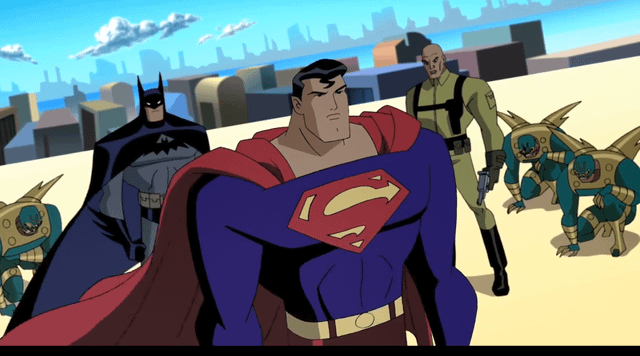
The battlesuit has also transcended its comic book origins, appearing in numerous forms of media. In animated series, it has been a frequent feature, notably in the DC Animated Universe where it was used in Superman: The Animated Series and Justice League Unlimited. The suit has also appeared in shows like Young Justice, where Luthor employs multiple, technologically advanced variants, including one with nanotechnology. In video games, the battlesuit is a staple, serving as a frequent boss battle and character power-up in titles like the Injustice series and the LEGO Batman games.
The Superman of Metropolis
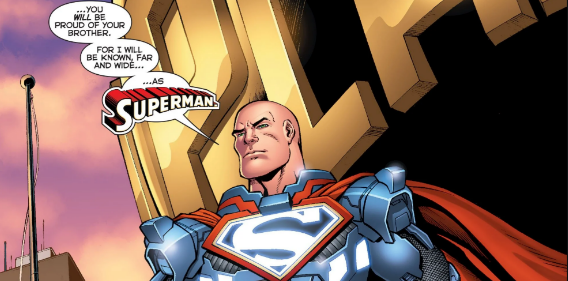
After the death of the New 52 version of Superman, Lex Luthor had a temporary heroic phase that included wearing a suit with Superman's iconic "S" symbol on it. In the Justice League: The Darkseid War storyline, Luthor absorbs the tyrannical ruler's power, leaves Metropolis for Apokolips, and becomes the new "God of Apokolips". It was during this time that he created a new blue power suit. The suit was built with a built-in Mother Box, a highly advanced computer, which gave it flight and energy weapons. This heroic turn was a genuine one, as he worked with the new Rebirth Superman, eventually realizing that the symbol stood for something beyond himself. This temporary shift from villain to hero was a new, complex development for the character, though he would eventually revert to his villainous ways.
Part Three: More Than a Mech Suit
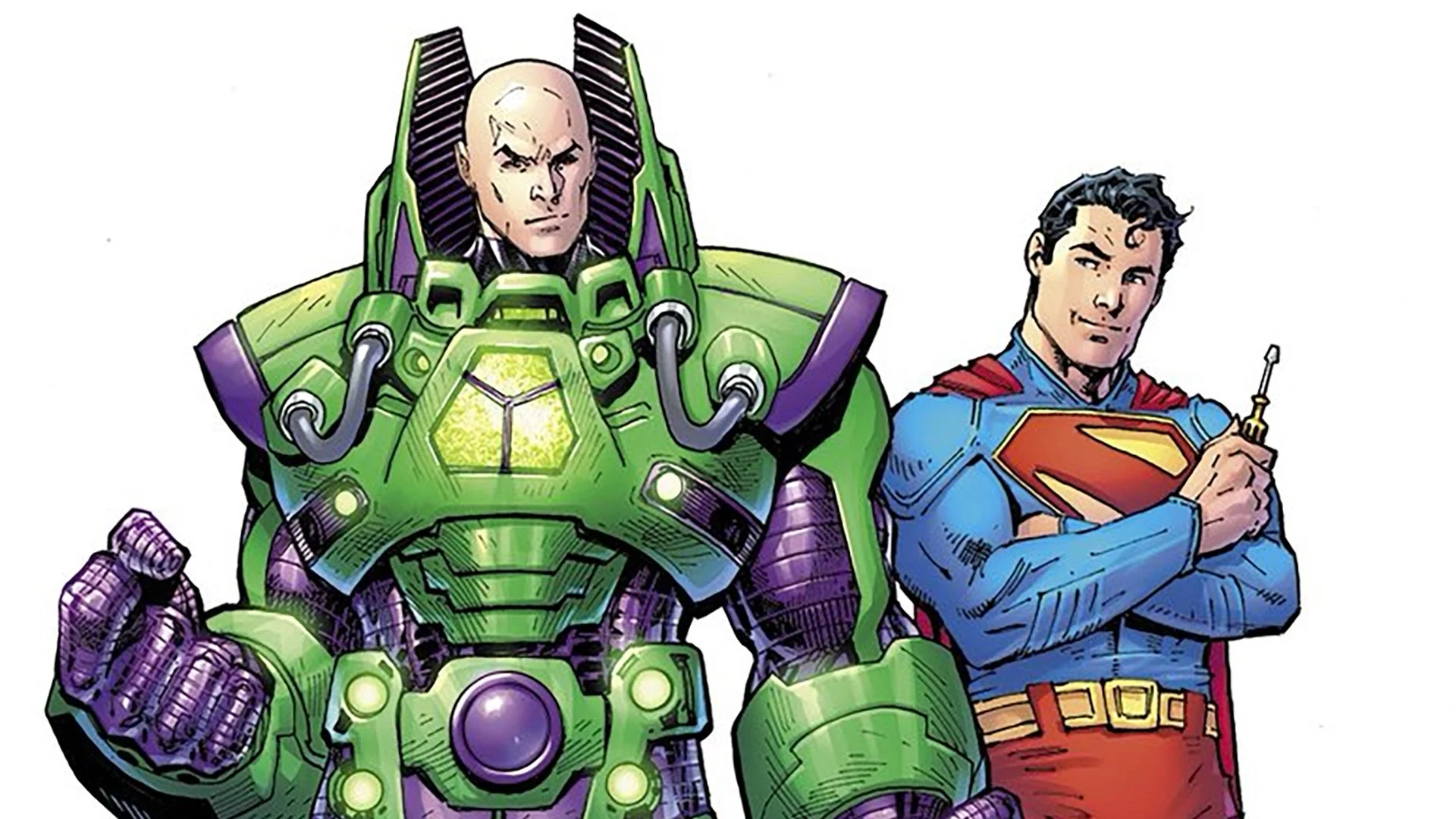
The battlesuit is more than just a weapon; it is a profound symbolic paradox that speaks to the heart of Lex Luthor’s character. He is the self-proclaimed pinnacle of human intellect, a man who despises the very notion of physical superiority. Yet, he willingly dons an armored exoskeleton to fight Superman on his terms. This is a powerful paradox and a symbolic admission of Luthor’s ultimate inadequacy. For a man who believes his mind alone should be able to defeat any foe, the act of donning a battlesuit is an explicit acknowledgment that his intellect has failed to achieve the one victory he craves most. The suit is not a simple weapon; it is a physical manifestation of his emotional desperation. It is a visual sign that his hatred and ego have driven him to abandon his own philosophical ground to get the victory he so desperately desires. The suit itself, therefore, becomes a symbol of his hubris that consistently leads to his downfall, as it proves he cannot win on his own terms.
This paradox is perfectly encapsulated in one of the suit's most iconic and seemingly absurd design choices: the open-faced helmet. A logical, pragmatic scientist would prioritize protecting his most vital organ, but Luthor's psyche is defined by his narcissism. The force field is powerful enough to protect him , allowing his face to remain exposed to his opponent and to the world. Luthor does not just want to defeat Superman; he wants the world to see him—Alexander Luthor, the genius—do it. The battlesuit is his instrument, but the victory must be his alone, witnessed and celebrated by all. This visual choice perfectly captures the essence of his character: his massive ego is both his greatest strength and his most vulnerable weakness.

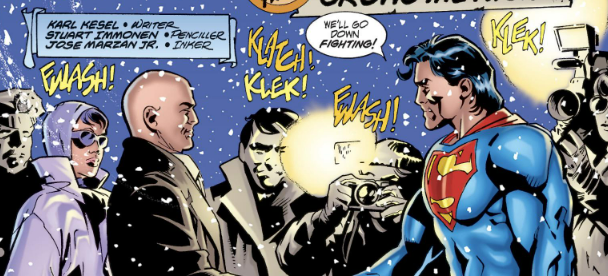
A recent comic book story from Superman #9 provides a distilled analysis of this philosophical dynamic. When Luthor, now in prison, provides Superman with a battlesuit he designed, he is infuriated when Superman makes adjustments to the technology. Luthor, a man defined by greed and a desire to impose his will on the world, built a tool of aggression, a "tank" designed to destroy his enemies. Superman, defined by generosity and his love for humanity, immediately refits it to be a tool of protection, an "ambulance" to save lives. Luthor’s perfect insult, "I built you a tank, and you turned it into an ambulance," perfectly encapsulates their core philosophical difference. It demonstrates that the battlesuit is not a neutral piece of technology; its very design and use are expressions of its user’s moral and ethical worldview, highlighting the fundamental divide between Luthor's destructive ambition and Superman's selfless heroism.
Part Four: The Legacy on Screen

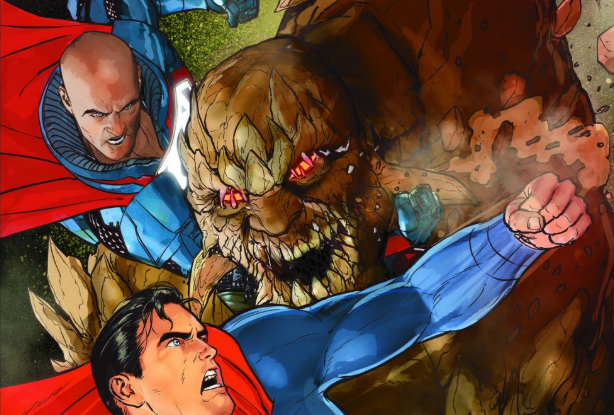
The history of live-action Lex Luthor has been conspicuously devoid of the battlesuit. From Gene Hackman's brilliant but pre-suit portrayal to Jesse Eisenberg's more recent turn, who used a proxy in the form of Doomsday, the physical manifestation of Luthor’s power has been absent. This has long been a point of contention and a source of desire among comic book fans. The battlesuit represents the ultimate confrontation, a physical showdown between the world’s most powerful alien and its most intelligent human.
James Gunn's image, therefore, is a powerful statement. The use of the classic comic book design signals a deliberate move toward a more traditional, confrontational rivalry. It promises to allow Nicholas Hoult's Luthor to step out from the shadows of his corporate facade and meet David Corenswet's Superman on his own, albeit manufactured, terms. The warsuit’s long-awaited arrival on the big screen is poised to finally bring the full, unvarnished rivalry of two giants to life, a dynamic that has been a hallmark of the comics for decades